01 The expression:- It takes 10 years to become an overnight success... Can you tell me the moment you thought your overnight success moment had come along?
When Demna was appointed the Creative Director of Balenciaga he called me and asked if I would like to join him at the brand to lead the hair. I had worked with him on all the Vetements shows and this request felt like a real step up. The first 10 years of my career had been going well, and I was slowly climbing the ladder but the moment I joined Demna at Balenciaga I felt the overnight success moment happened for me.
02 Tell me about the start of your journey into session hair? Do you remember how you felt at the time, and what you expected?
I started working in session hair later in life - I was 40 years old. I had owned my own salon for the previous 20 years and towards the end of that period of time I had felt I wanted to try something new and session hair and fashion seemed the way I wanted to go. I used to look at magazines like The Face and iD and see the editorial shoots and think, "I can do that, that looks easy!" I sold my salon business to focus on session but I hadn't a clue on how difficult and long this journey would be. At the age of 40 I had to empty my brain of everything I knew and start again with a new learning process. I must add that it was very freeing to focus on a new way of being. The new creative process was the only thing I need to think about which was liberating.
03 Can you tell us about your personal background and how that has informed your work as a session hairstylist and how much influence has that had on your visual identity and language.
I grew up in Brighton during the 60s, 70s and early 80s. Brighton was a very liberal city, full of music, students and art with a large gay community. This generated a large hub of creativity and youth culture. The Punk movement was at its peak and like all youth culture tribes the hair was the centre of that identity. Hair and identity seemed to be all around me. I felt such a draw to all the youth culture movements, as well as Punk, there were Teds; Mods; the Two-Tone movement; New Romantics and rave culture. All of these different phases influenced my work as a session hair stylist. I have lived with, and had real experience of these identities. I needed to find a way to modernise these influences and bring them into high fashion. As a young teenager I also spent a lot of my summers in West London with my cousins. Ladbroke Grove in the 70s was a real hot bed of street culture. The vision of the Rastas, punks and the sounds of dub reggae were a huge influence on my life and informed me so much. Surprisingly there was a big cross over in the punk and reggae cultures, and the sound of the Two-Tone movement.


04 Can you give me one bit of gold? What I mean by that is one thing which people may not know about you or maybe one singular thing that has kept you going over the years of your career. It doesn't have to be work or hair related.
My partner and my mum have kept me grounded and supported me so much during some of the more challenging parts of my career of being a session hairdresser at high level in fashion. It was so important to me to have unconditional support from people outside the industry. I also had my garden at home which I always called my green pill, that I could take when I needed to switch off from hair and fashion.
05 Those iconic goosebump moments don't happen that often in a career. Can you describe three moments when you have felt chills down your spine? When you thought, "this could go down in history." It can be just a moment, or a specific hair look or collection of hairstyles you created.
I think the two moments which had this effect on me have to be the two Metamorphosis projects I did with photographer Casper Sejersen for Beauty Papers. They felt timeless and iconic. I knew even before they came out what the industry reaction would be. The other moment was the coat I made of synthetic hair for Balenciaga's 54th Couture show. After our 4th presentation of the coat Demna said "this will walk the show." I knew that was a fashion moment that would go down in history. It had never been done before and will probably never happen again.
06 I find many hairstylists are currently obsessed with perfection. What's your view of perfection? Is that something you try to achieve? Or do you think mistakes add character to a final look?
I love perfection but at the same time I don't - it can be the best and the worst visually. I think mistakes, a rawness and a roughness can add character and individuality to a look or a picture. As hairstylists we have to work hard to look and see if this rawness or mistake is a good one or a bad one. Does it give something or take something away? That takes a while to work out and needs the experience of a well-trained eye. I find with myself whilst trying to achieve perfection I can take away character. Perhaps the obsession with perfection is that people think they will be judged if it's not perfect. I prefer to strive for the perfectly imperfect.
“At the age of 40 I had to empty my brain of everything I knew and start again with a new learning process.”
07 Where is the balance between good creative ideas and technique for you?
For me the idea is more important. Focusing on this will make your hair different from what everyone else is doing. Technique can always be worked out so having a new idea or a clever twist on something will give you a strong point of view as a hairstylist and make you stand out from the crowd.
08 Having a style and identity as a hairstylist seems really important these days. Do you think it is more important to be known for a particular style or to be able to do all types of work?
I think these days identity is key. If your appeal is too broad you end up swishing about in the middle band of hairstylists where you are really competing over jobs and money in the commercial market, to be clear there is nothing wrong with that, but a strong recognisable identity needs a strong visual point of view. Of course, it's good to be able to turn your hand to everything in terms of technicality, but to have an identity seems to be what designer's brands, photographers and stylists want to see. They want to know if you will match and understand their vision and if you get their points of reference. I think for people to look at a picture and know who did the hair without actually knowing who it is, is a very powerful place to be creatively.
09 It's no secret that you can get paid well working in fashion. How much do you think that plays in an artist's mind when they are climbing up the ladder?
I think most it probably plays more of a part in an artist's mind than it should, but in the opposite way sometimes not enough. In the beginning you have to invest a lot of your own money into editorials and low paid projects, but if you only think about getting return on investment from the beginning you will never get to the point where you start making good money. Ultimately it is a business, and you have to invest to build a great profile which then gives you good financial leverage. If you put the art first the money will follow.
10 The role of an agent is important when working in the fashion business. What would be your tips to younger hairdressers who are getting signed by an agency?
I think the choice of agency to sign with is extremely important. It's not easy these days getting signed by a good agency as there is a lot of competition with artists and agencies alike. Your own values and ethos have to be the same - just signing for the sake of saying your signed is the wrong move. It can be career suicide to have an agency and agent that you are not aligned with. There has to be a strategy and as an artist you have to be very clear on where you are heading and what sort of career you want. It's also important that there are other artists at the agency that you are aligned with creatively. I feel it's very important, especially if you are a young artist, to be guided by an agent and to work as a partnership to create a career, whilst still having a strong identity of who you are as an artist. The first few years at an agency can be difficult as you find your feet, but it's where all the work begins in establishing your point of view.


11 How important do you think it is to educate yourself on cultural sources for inspiration and to have a good understanding of counterculture to succeed in high fashion?
It's really important to have a really good understanding of culture and counterculture to help give your creative thought process another dimension. I think all creatives look to other creative spaces for ideas and references points. Inspiration can come from the strangest places – it's not just the obvious. Looking at certain thing can spark a thought, and it can make such a big difference to your output. Having a good understanding of culture is a lifetime of ongoing education.
12 Can you explain what a first assistant's role is in your set up? Why is this role so important?
Being a first assistant is not for everyone. It's a role that involves a lot of pressure, responsibility and leadership. Not that many people have what it takes to do this role well. Being a good hairstylist is a given, but it's also dependent on a level of taste, a work ethos and a drive that matches the lead hairstylist's. It is hands down one of the most important roles in the team. On shoot days the first assistant has to set up for the day. Then they have to be able to complete a lot of the hair work and vision as set out by the lead hairstylist. They need to lead other hair assistants whilst the lead hairdresser is on set, refining the look for camera. On shows the First has to run the nuts and bolts of the show whilst the lead is overseeing creative and client communication. There is also the question of dealing with kit, product ordering and generally keeping the wheels moving. Another important point is for them to be able to manage people - models, stylists, producers and the hair team. Being a great first assistant can be the golden ticket to your own high-flying career. Working as a First means that you work at a level, and with the pressure, that prepares you for your own career. Experience and knowledge is everything.
13 To survive at a decent level in fashion can you explain the importance of understanding reference points, having a certain level of taste and also having an eye for nuance?
I didn't realise the importance of understanding references when I first worked in fashion. I had so many running around in my head - I had all my youth culture references to hand and I understood the nuances of those groups' differences. I also had the influences of my early days in hairdressing from working in a salon where the bosses had a level of high-end taste. I had to merge those two things together and turn that into the taste level of a certain kind - it was a process I had to work on. Taste is a very subtle influence that takes time to grow within one's self and it takes a while to understand. It's all very subjective but it's so important to expose yourself to taste to be able to develop a level of your own.
14 There is an expression, "A tradesman should never blame his tools". What level of importance do you place on tools and products that you use? If you had to name your two favourite products and your two favourite tools, apart from a hairdryer, what would they be?
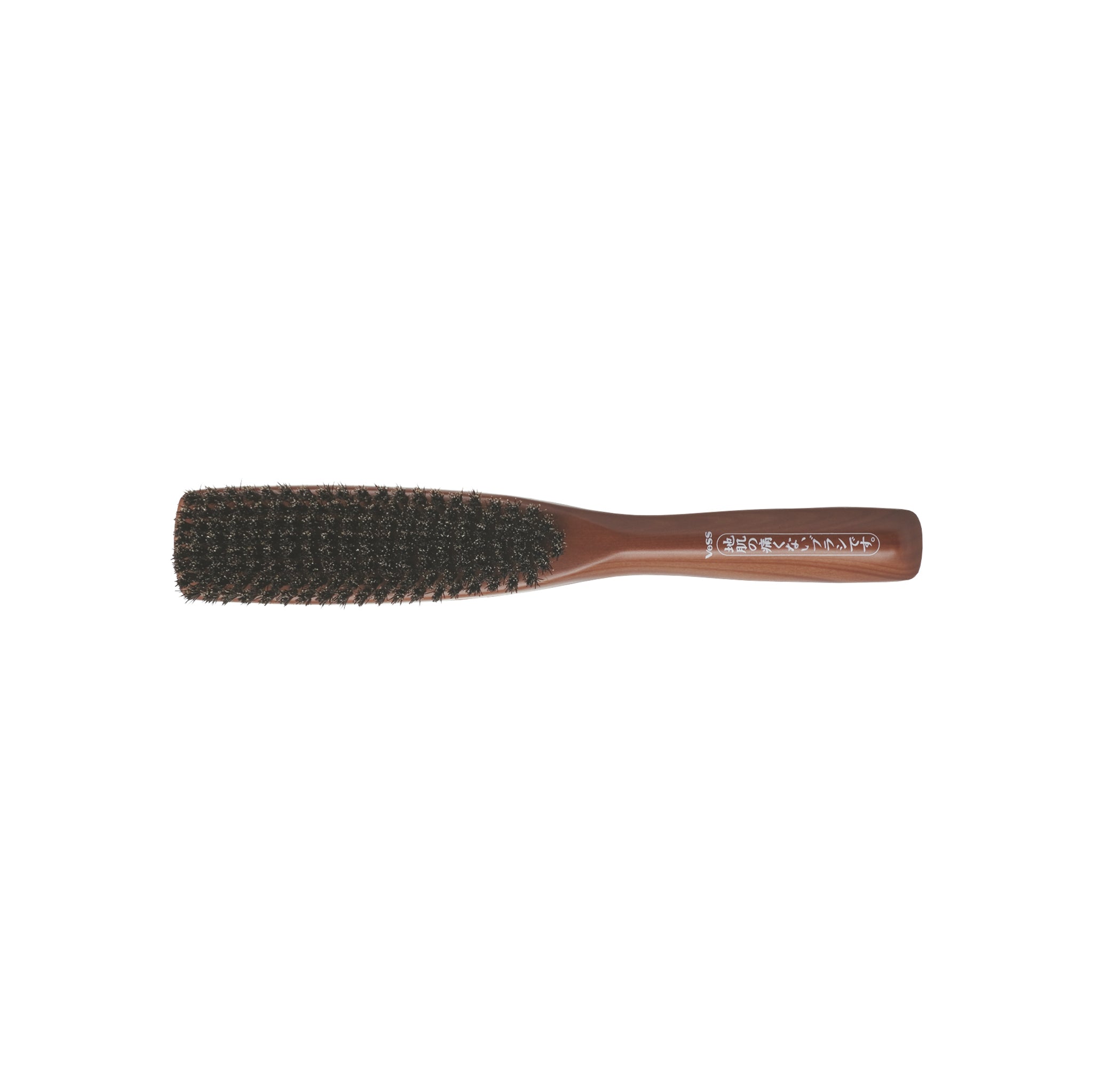
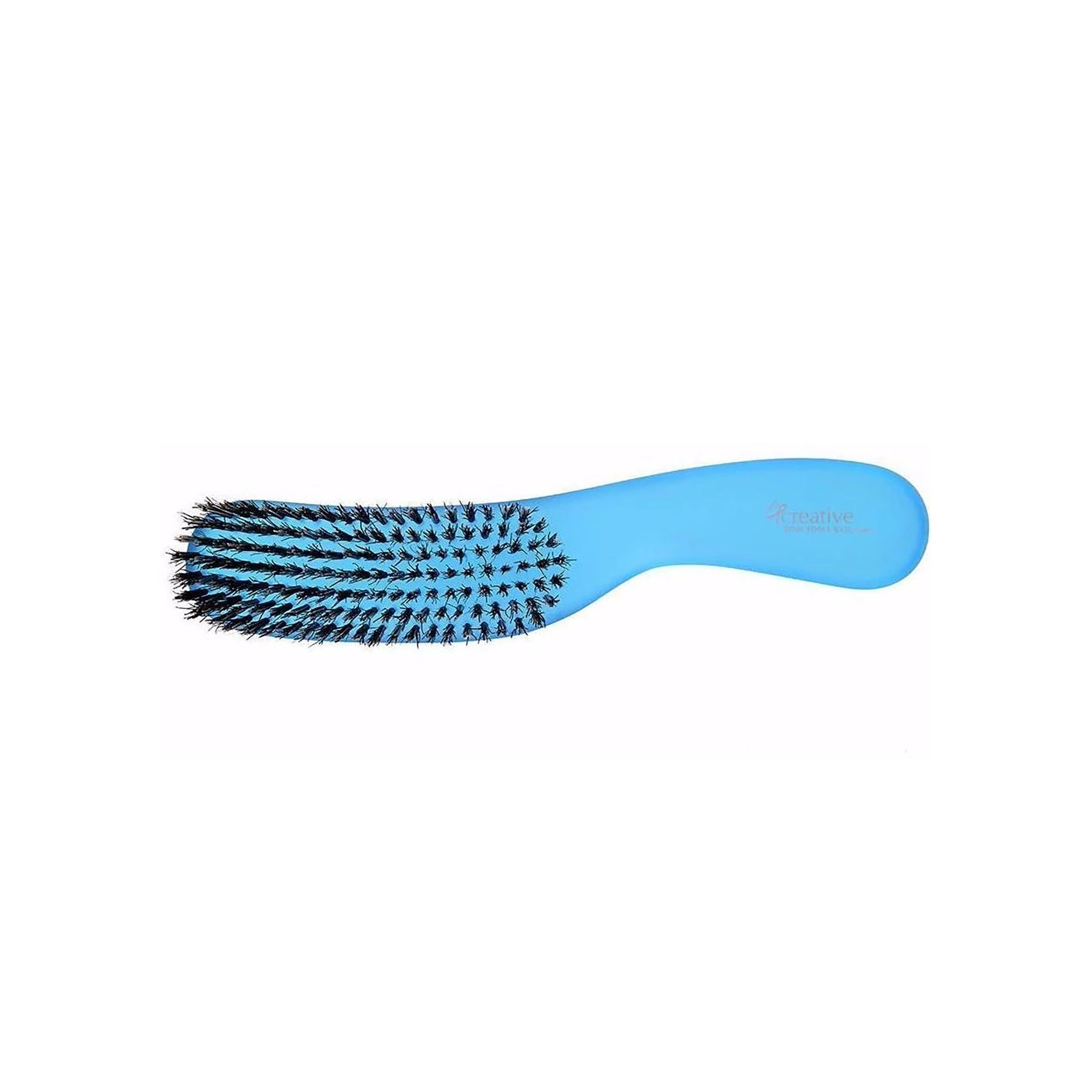
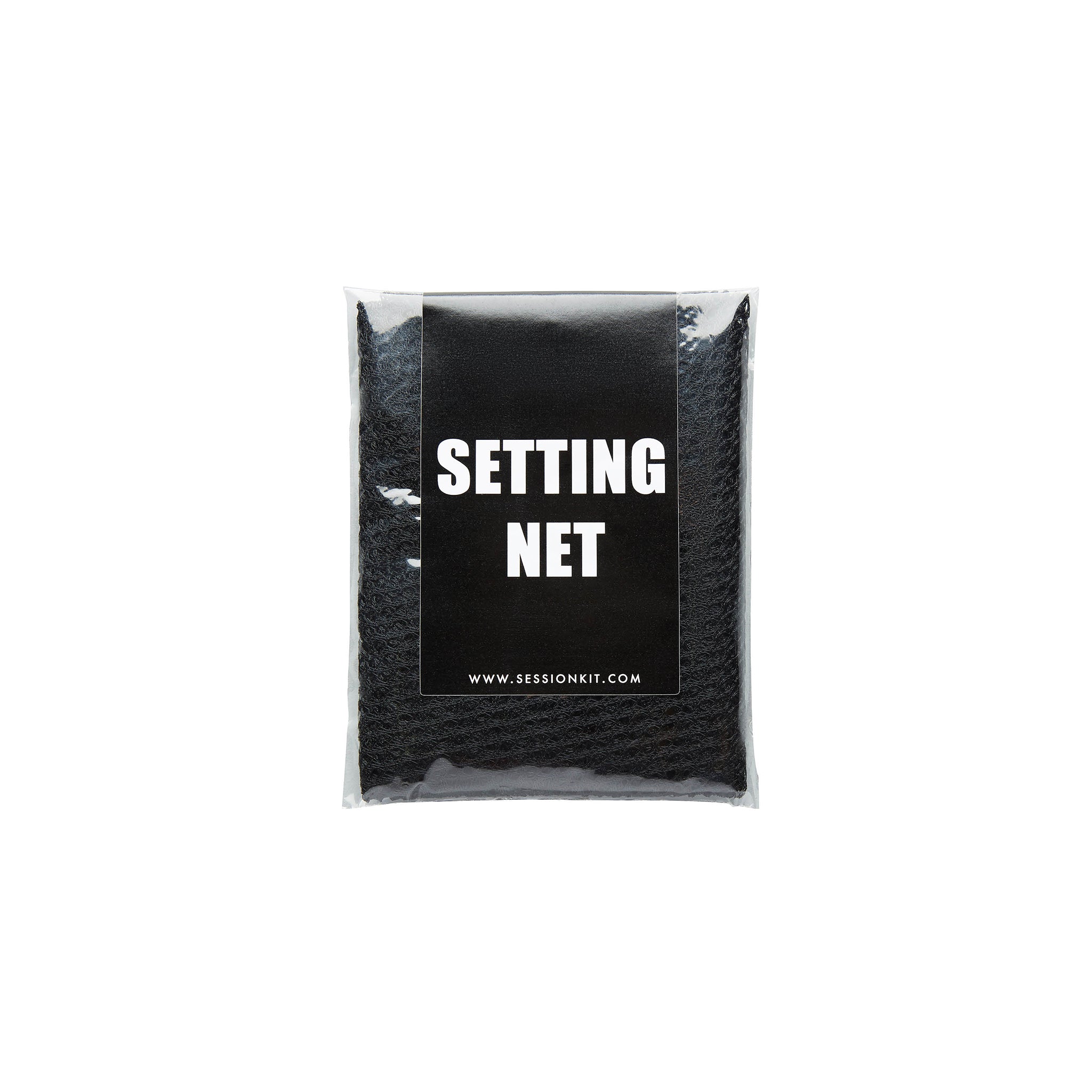
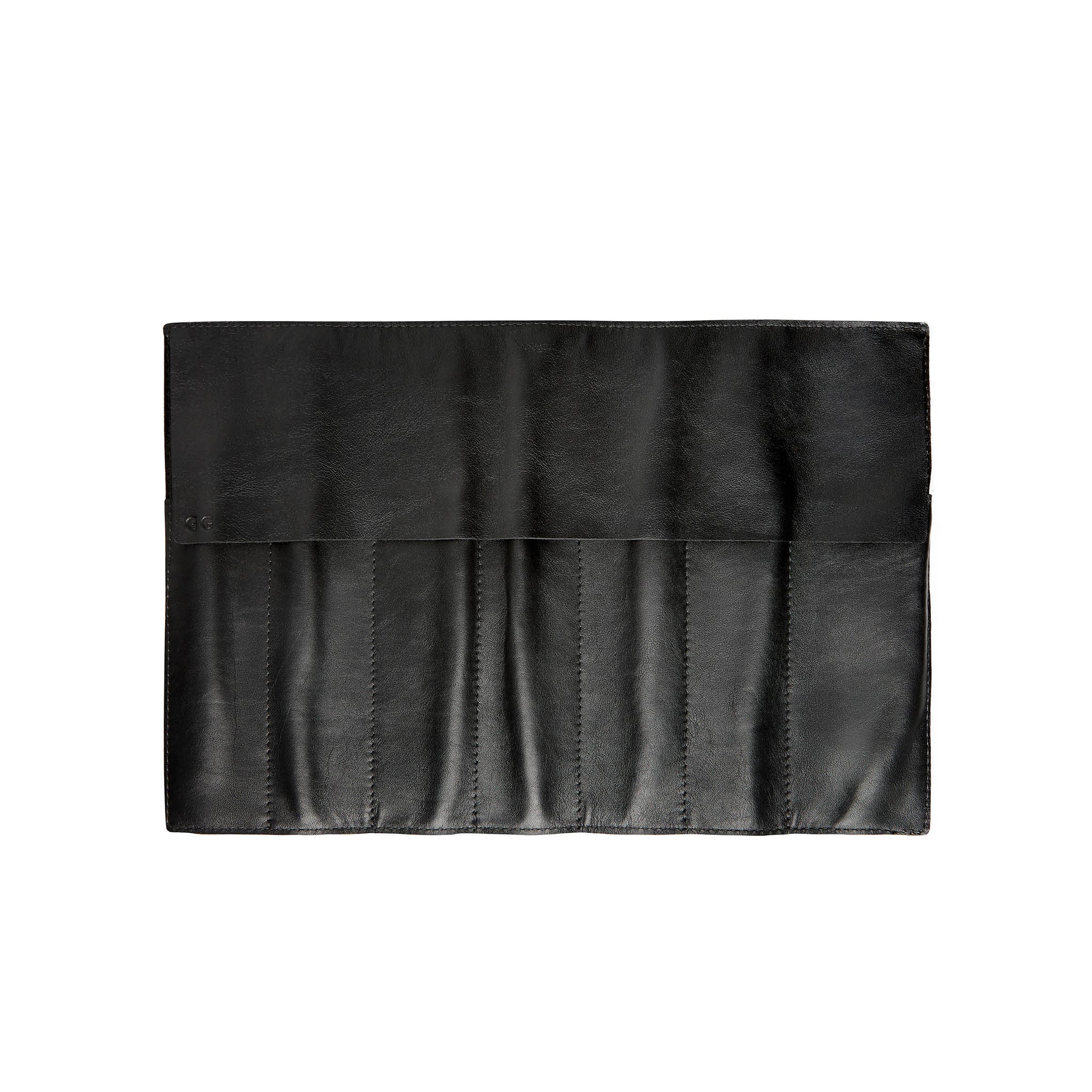
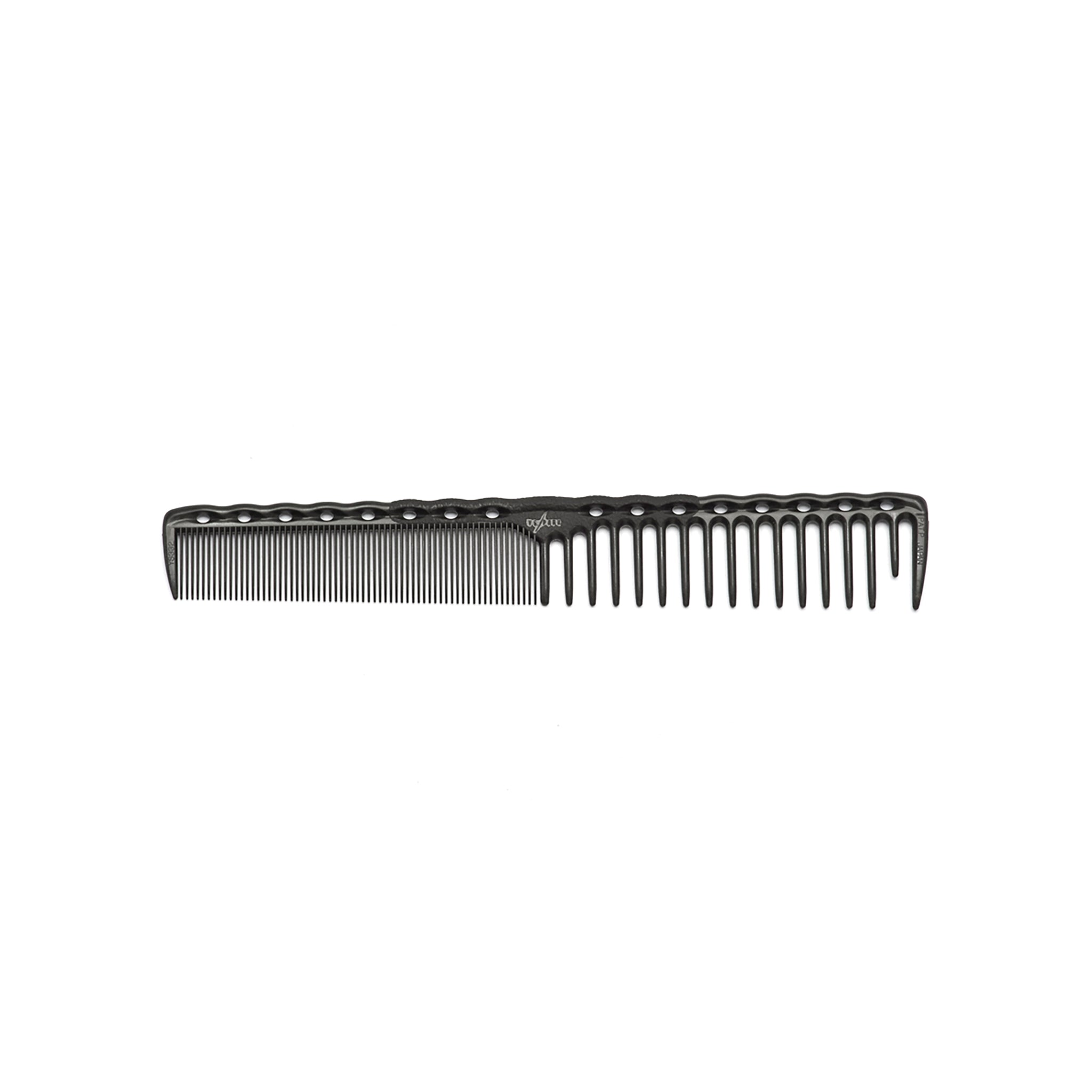
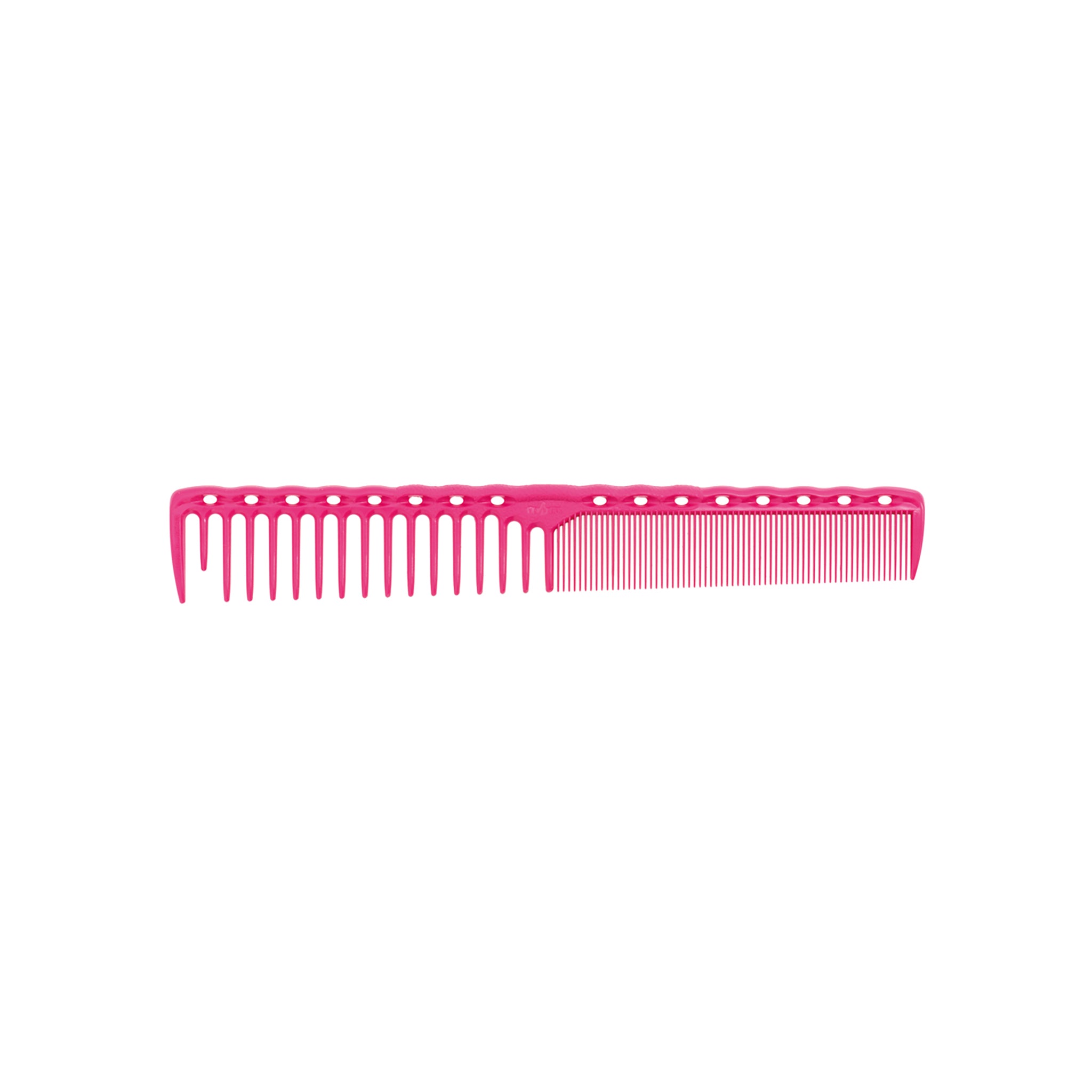
Tools and products are such a big part of what we do. I always bring all my own products for the whole team for shows. My team are not allowed to use any products apart from the ones I have provided. As well as tools doing a good job, they have to feel good in my hand. It's tactile thing and a balance of weight that I'm looking for. One of my favourite, most-used tools would be the WAM mini straightener and the wide YS Park cutting comb. Regarding products, probably my favourite products would be Bumble & Bumble Prep for a natural hold. It moisturises whilst, at the same time, gives the hair a little bit of volume. Oribe Dry Texture Spray is another favourite – it's simply the best texture and instant volume spray on the market.
15 What would be your first choice of music backstage, genre wise? What would be the ultimate track to get you over the line when the pressure was really on?
House music would be my first choice of music backstage - not for the whole time but electronic dance music needs to be a built up when the pressure is on. I have found house music lifts the whole place and has a tempo that builds with the tempo of the show prep. My ultimate track would be Energy Flash by Joey Beltram.
Shop Gary’s Edit