

THE VISION
For Mugler SS27, the creative direction evolved considerably between the first conversations and the final show. Louis Ghewy and creative director Miguel Castro Freitas began discussing the collection in July, initially exploring the idea of raver nymphs. The first hair and makeup tests took place in early September, and although the team loved the initial direction, the clothes began to suggest something different.
“During the fittings, we noticed that so many looks had high necks or really architectural silhouettes that needed something graphic, something otherworldly but still elegant.”
The word they kept returning to was alien.
The challenge was to create hair that worked with the strong silhouettes of the collection, bringing a new dimension to the clothes without competing with them. Back in the studio, Louis and his team explored new shapes and constructions before returning to Mugler headquarters for the final hair and makeup test, just two days before the show. The resulting looks moved between exaggerated length, sculptural forms and unexpected materials. With Miguel's preference for short hair in mind, Louis also proposed creating a wig that looked like hair, but wasn't made from hair at all.


“As the collection was so inspired by the animal kingdom, with lots of animal prints, I thought it would be good to work with feathers. Feathers are also a very Mugler-like material.”
Together, they developed neon-coloured feather pixie cuts, bringing a futuristic quality to a material already closely associated with the house.
THE TECHNIQUE
Two of the looks reveal the construction and technical thinking behind the finished silhouettes.


The Artificial Fringe
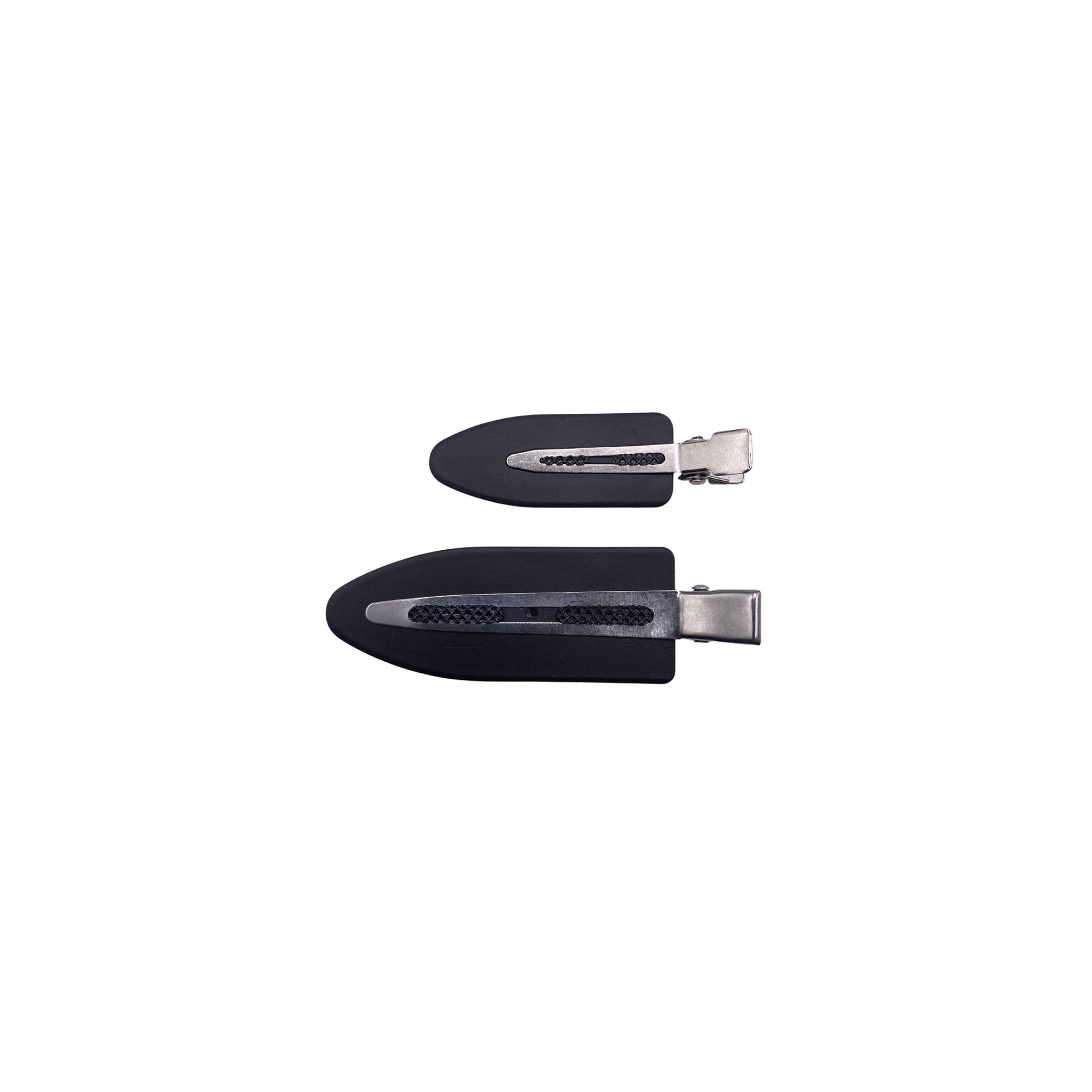
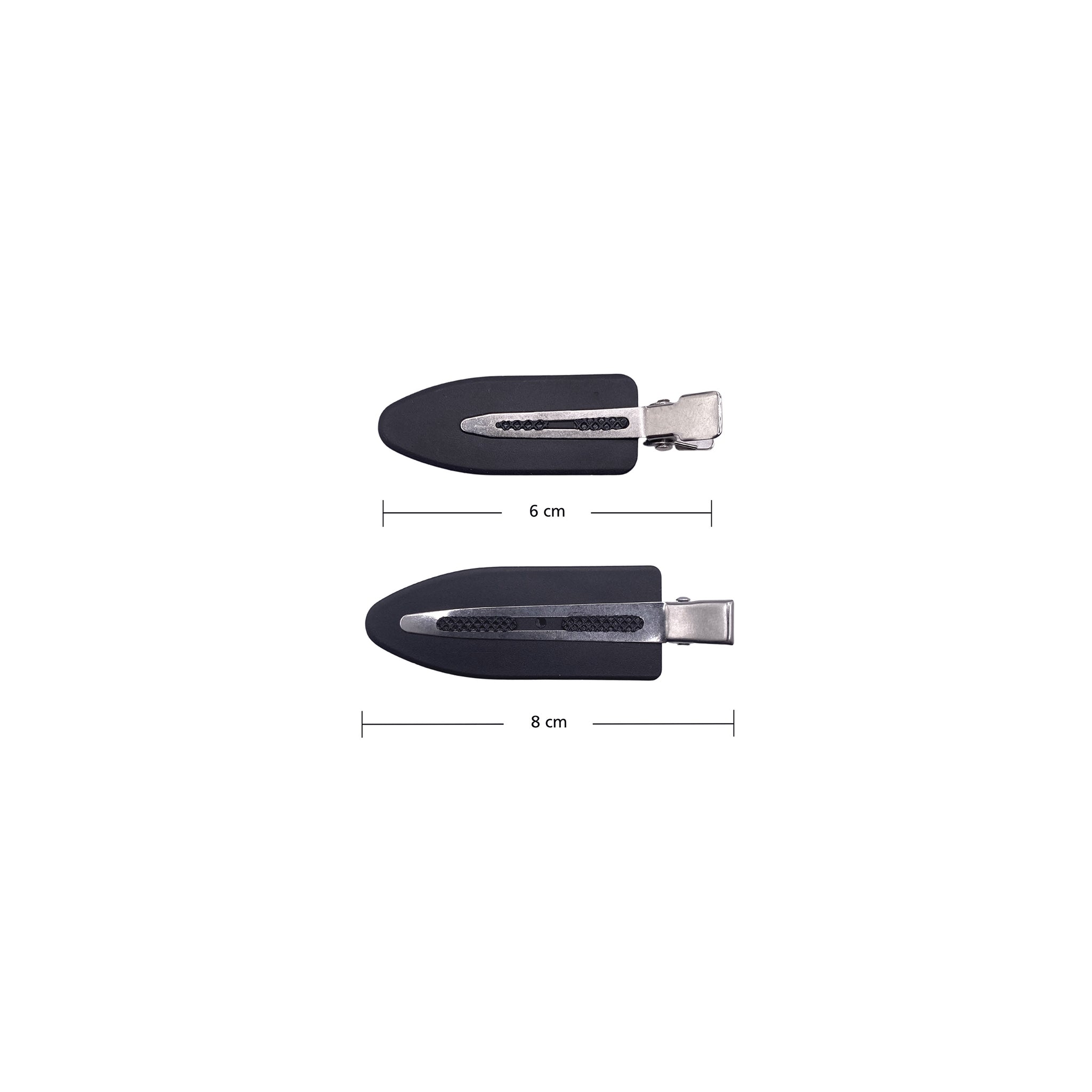
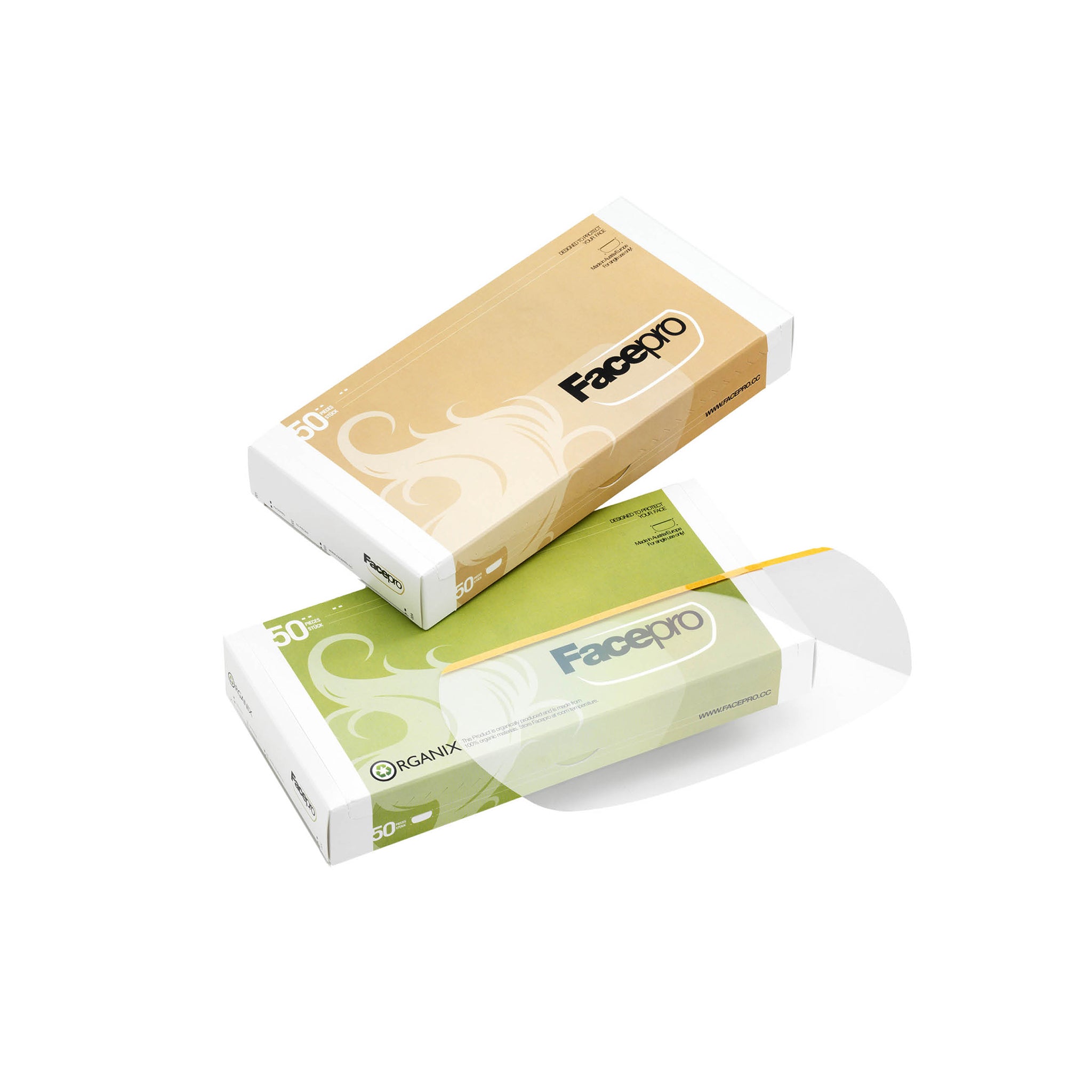
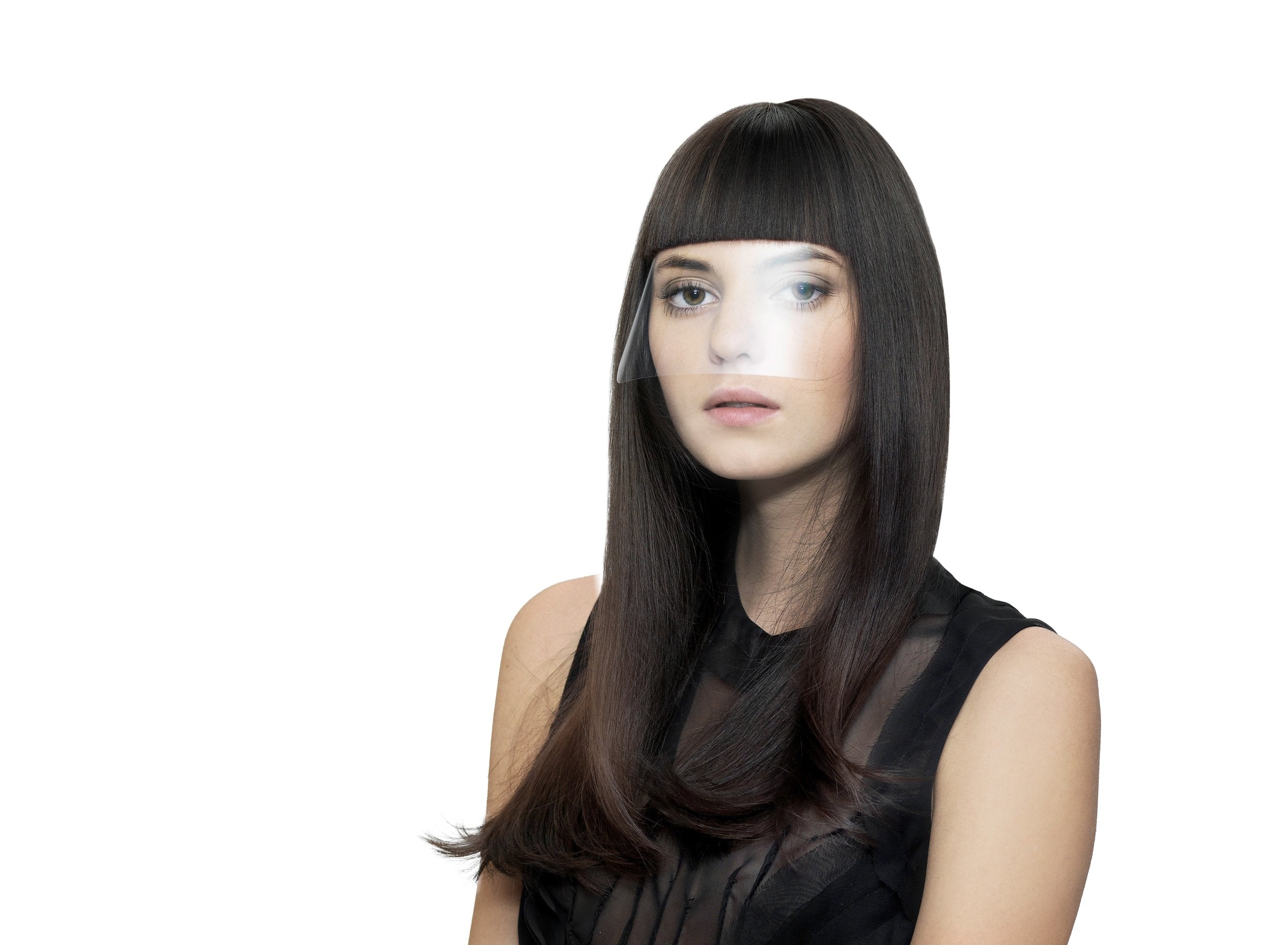
For the elongated looks, the starting point was a completely flat foundation. The hair was centre-parted and sprayed away from the face using L'Oréal Professionnel Infinium, with Session Kit Cover Clips holding everything securely in place. Sections from the temples were joined at the nape, while much of the remaining hair was braided away to accommodate 26-inch American Dream extensions. Custom-coloured toppers were then added to create the artificial fringe. Louis favoured toppers over conventional fake fringes for their greater coverage and more unified blend. Although pre-cut, each piece was customised to the model's face shape, with Session Kit FacePro Face Shields protecting the face during cutting.
The Cone Head
The cone-shaped looks required a different approach, beginning with the structure beneath the hair. Rather than building the shape around a ponytail, Louis used a cornrow foundation to support the padding.


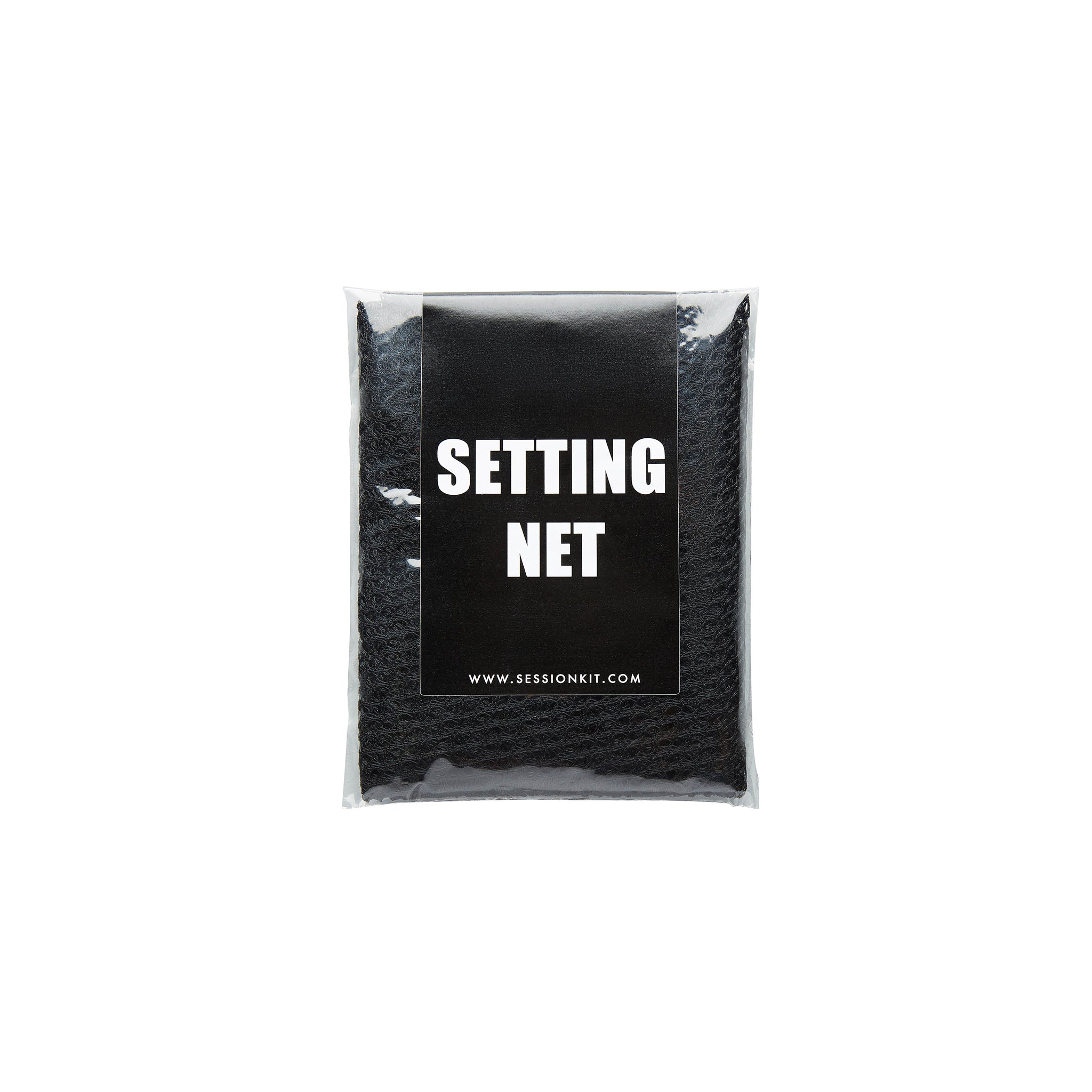
Once the padding was in place, the hair was prepared with L'Oréal Professionnel Tecni. Art Pli and backcombed at the roots using the Session Kit Skinny Dressing Brush. Working in sections, the hair was drawn over the padding, secured and braided, with the lengths concealed inside the structure. Particular attention was paid to the front, where a deliberate fold separated it from the side and back sections. Session Kit Cover Clips held the shape during construction, while French Pins in Style 5 and Style 3 Noir secured the finished form. Setting Nets protected the hair as models moved between makeup and fittings.
“I always favour a cornrow base over a ponytail base for padding. It's more comfortable for the girl, and we also wanted to braid some of the hair away because we wanted to keep the cones as small as possible.”
THE VISION
For Louis Ghewy, the creative process begins with the clothes.
"I love fashion. I always have, since I was little. I love clothes and the message they can carry, or the character you can create through them. It's a sense of escapism." It's what first drew him to hairstyling at 14, and remains central to his work today. "Fashion is the reason I decided to do hair at 14, so seeing the clothes and hearing the story behind them is almost my favourite part of the process."
Explore the tools behind the look
- Cover Clips — For holding the hair flat and maintaining the sculptural shapes.
- Skinny Dressing Brush — For backcombing and creating the foundation.
- FacePro Face Shields — For protecting the face during fringe cutting.
- French Pins — Style 5 and Style 3 Noir — For securing the hair around the padding.
- Setting Nets — For protecting the finished shapes backstage.
Additional materials included L'Oréal Professionnel styling products, American Dream extensions, custom-coloured toppers, padding and elastics.
THE KIT






MEET THE ARTIST
Born in Brussels, Louis Ghewy studied hairstyling in Antwerp before moving to London in 2011. Influenced by postmodern punk, Belgian fashion and Golden Age Hollywood, he developed his technical foundation at Vidal Sassoon and Toni & Guy. His work combines conceptual thinking with technical precision and experimentation. In 2019, he was selected for the British Fashion Council's New Wave: Creatives, recognising a new generation of creative talent.
Portrait by Willy Vanderperre


